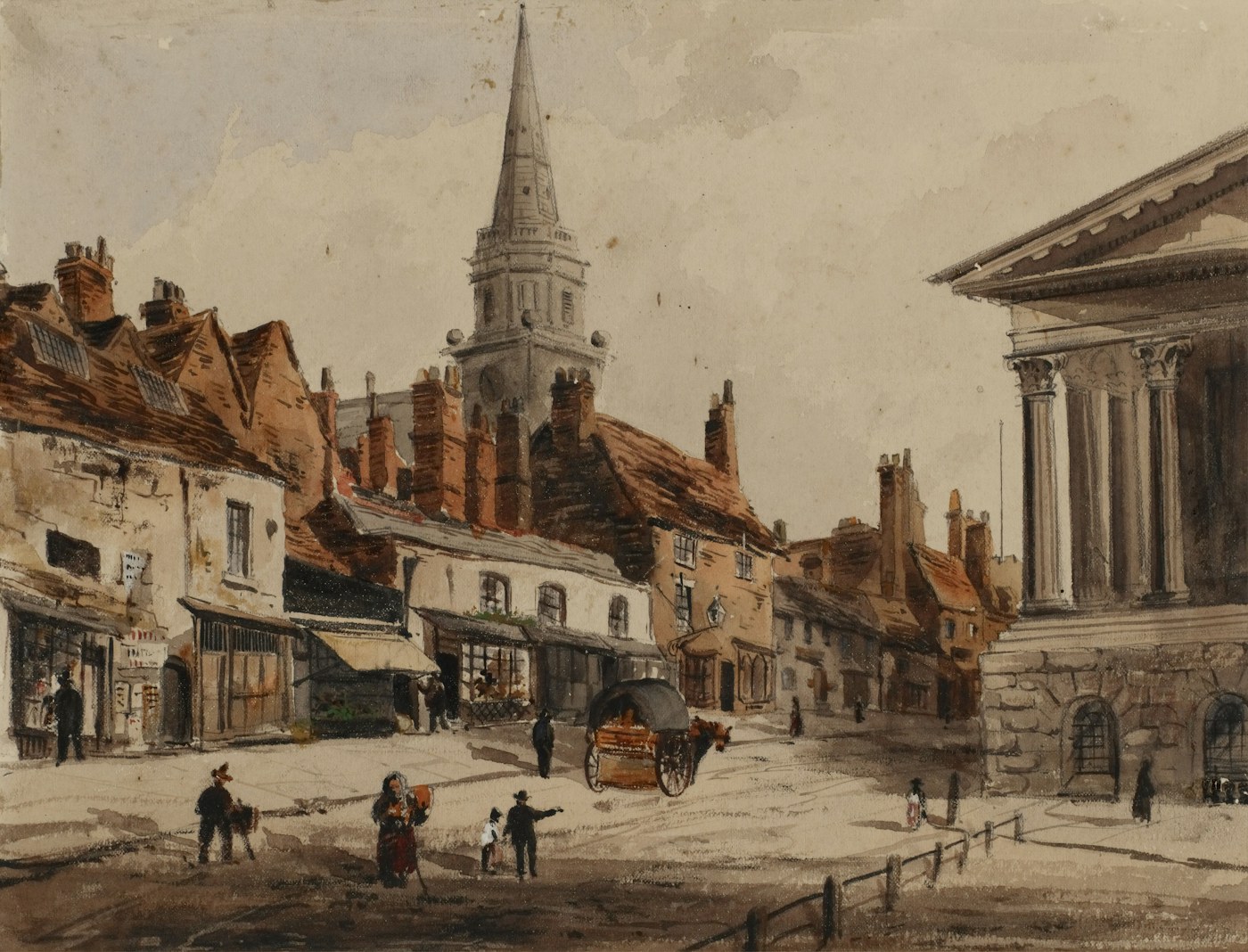
Start with one room you can remember.
A large museum becomes approachable when the first task is modest: find an anchor, notice the route around it and let the rest of the collection arrive in stages.
Muse Grand
The anchor-and-drift method
An anchor gives the visit a beginning without deciding its ending. Choose a room, material or single object, then allow the next move to be earned by what you actually notice.
Anchor
Pick a first object you can describe without reading the whole label.
Drift
Follow a material, gesture or line of sight into the next room.
Return
Keep the anchor in mind and see what the later galleries change.
Muse Grand
Three field notes to carry
A short note can hold more than a gallery inventory. Record the physical clue, the question it opened and the place where you saw it.
- Clue: write one surface, colour, join or mark that stayed visible.
- Question: note what the label explains—and what it leaves open.
- Place: record the room, threshold or view that changed your reading.
Muse Grand
The building is part of the memory
Transitions, pauses and changes in scale are not empty space between objects. They are the rhythm that lets a detail return to you.
Muse Grand
Current museum information
Galleries, access arrangements, entry rules and closures can change. Use the official venue and government links before travel.